
Research
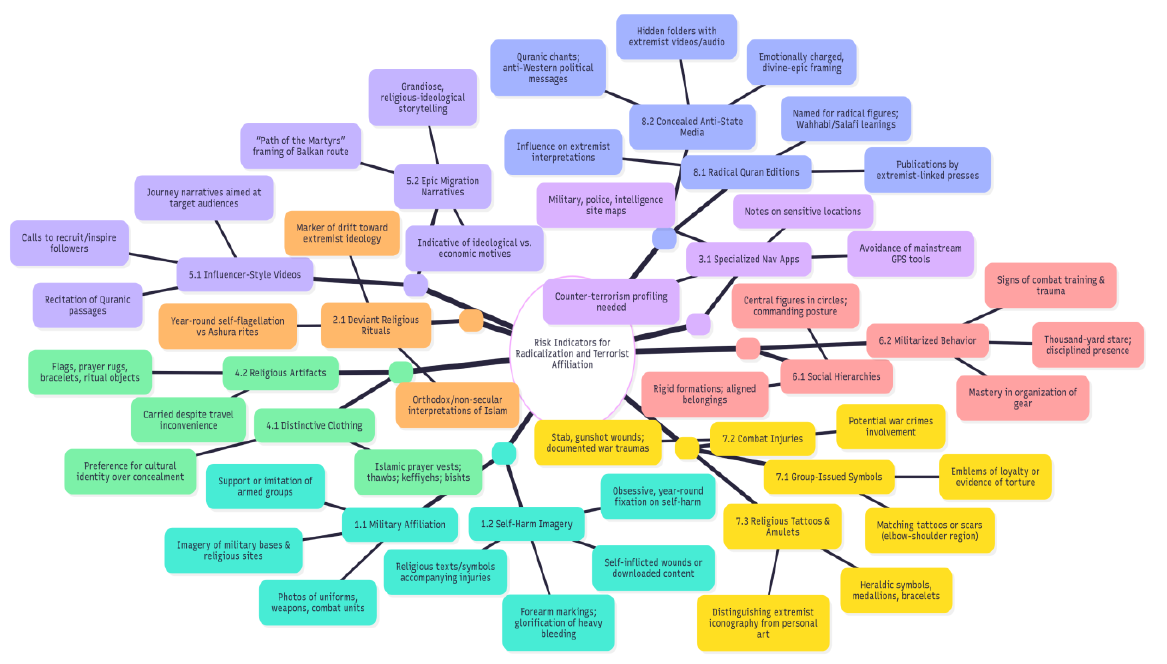
Indicators of Radicalization, Extremism and Terrorist Group Affiliation among Illegal Migrants: A Case Study Analysis from the Operational Practice
Operational framework from 10+ years' experience identifying high-risk individuals among illegal migrants for terrorist affiliation, extremism, or radicalization. Developed from Bulgaria's frontier country knowledge and field-validated to enhance law enforcement capacity. Formed the basis for Bulgaria's first field manual—a joint project with partner agencies that expands the operational and intelligence capacity of personnel engaged in defending the national security of the state and the European Union.
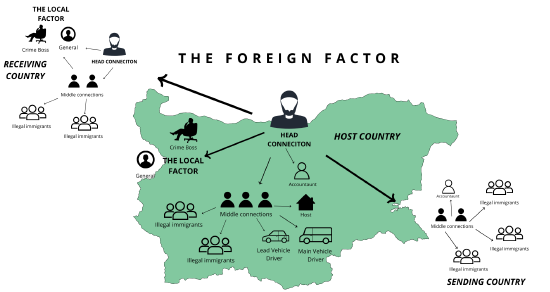
Modus Operandi and Trends of High-Risk Criminal Networks for Illegal Immigration Operating in the Republic of Bulgaria
Analysis of high-risk criminal networks operating migrant smuggling routes through Bulgaria—Europe's primary gateway from Asia Minor. Three-year operational data identifies five key factors driving organizational structures: geo-social dynamics, local enablers, foreign state actors, criminal-civilian networks, and geopolitical exploitation. The manuscript maps the complete network hierarchy from field operatives to organizational leadership, providing strategic framework for law enforcement response and policy makers to shape a united response, based on the operational practice.
Crime as Radicalization Catalysts: Composite Case Study Analysis of Escalation Patterns in Multicultural Environments
Analysis of escalation pathways within diaspora migrant communities which evolve into ideologically motivated violence. Case-based intelligence and criminal psychology assessment identifies systemic failures in formal crime reporting, replaced by informal religious or community authority intervention. The study reveals a four-phase progression: concealment of the primary offense, emergence of vigilante retaliation, ethnic mobilization through conflict-driven ideological narratives, and exploitation by external radical actors. Active religious schisms and transnational conflicts function as force multipliers, accelerating radicalization dynamics. The study defines early-warning indicators and operational thresholds for law enforcement, emphasizing integrated coordination between policing structures, diplomatic channels, and diaspora leadership to disrupt escalation before it reaches the level of national security threat.